Overstrand is a charming Norfolk village 2 miles east of Cromer, once known as the “the village of millionaires”. During its heyday in the late Victorian to Edwardian period, the village became a very popular holiday destination for the ‘great and the good’ of their day.
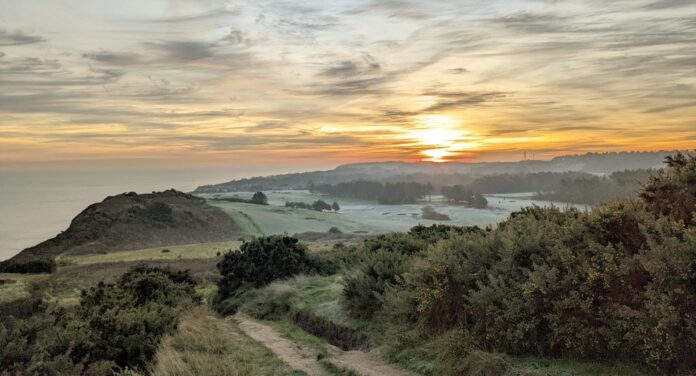
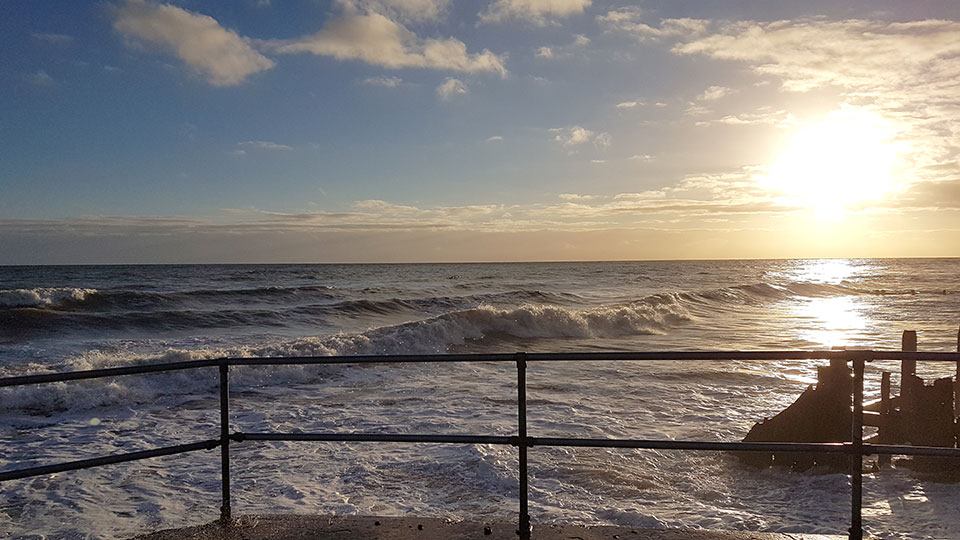
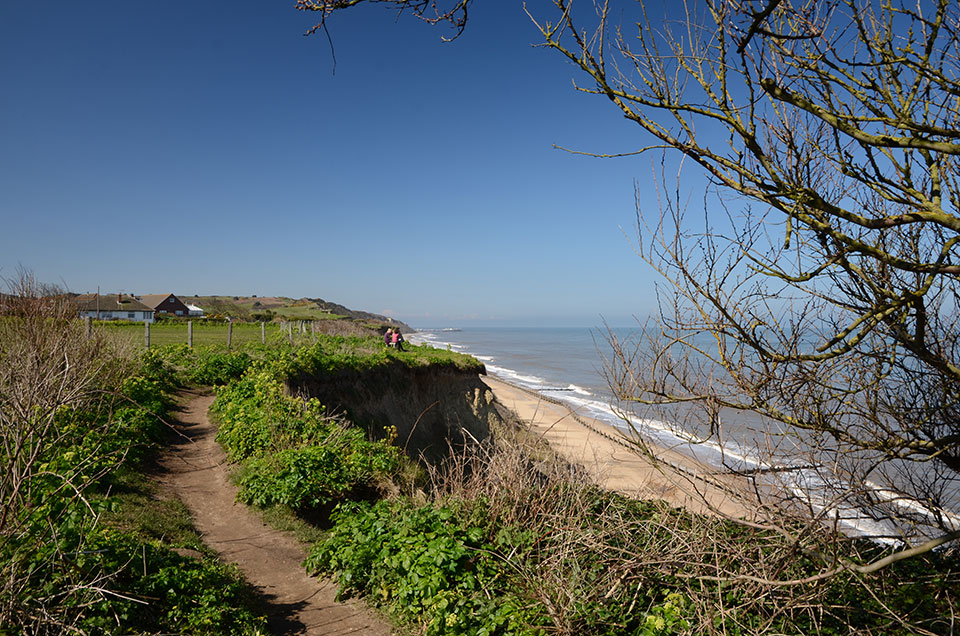
View towards Overstrand on the clifftop path at sunrise
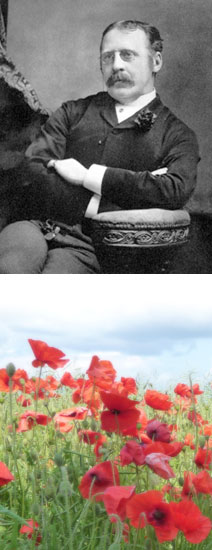
This included Winston Churchill and the London journalist and travel writer, Clement Scott who fell in love with the area and coined the ‘Poppyland’ name. Scroll further down this page for more information on this topic. Today, the village carries an air of gentility and quiet style which visitors find so appealing.
The beautiful sandy beaches make this village a popular place for family holidays, and the surrounding peaceful countryside offers a wealth of delightful walks, woodlands treks and bird watching. Overstrand has a long history as a fishing village. You can buy freshly caught, cooked and prepared crabs and lobsters from a local fisherman’s premises close to the cliff top.
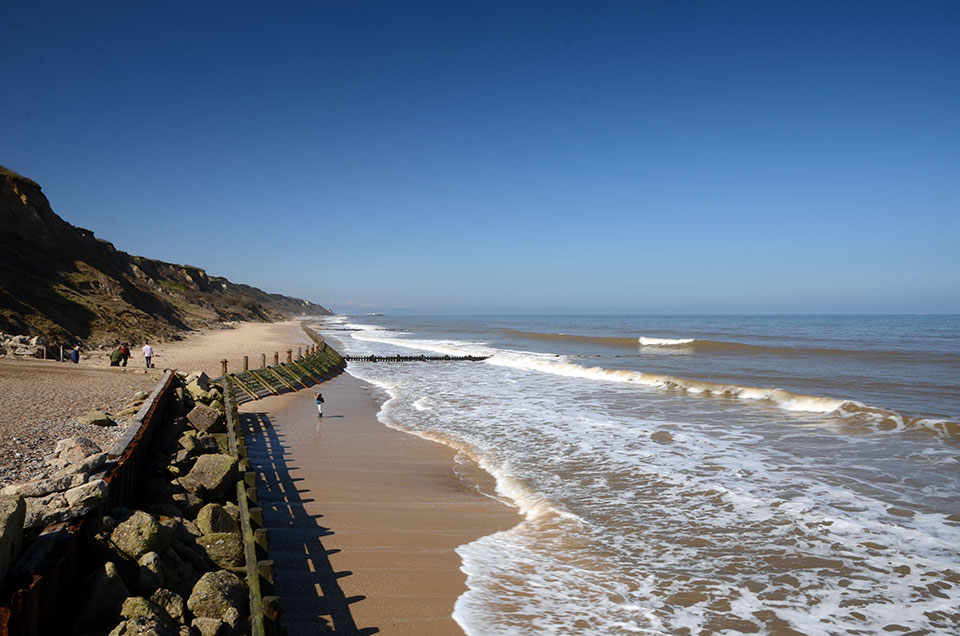
View west towards Cromer
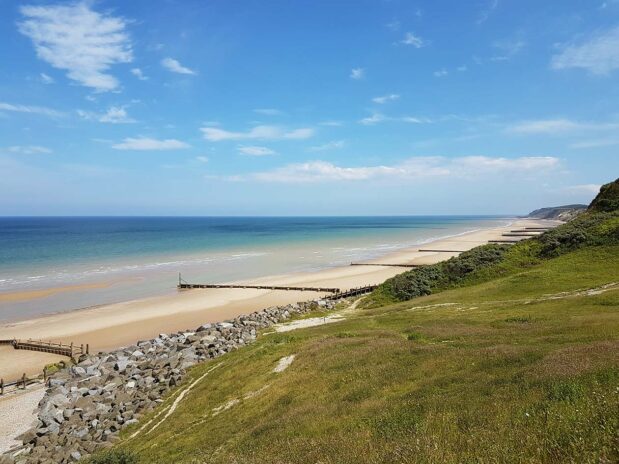
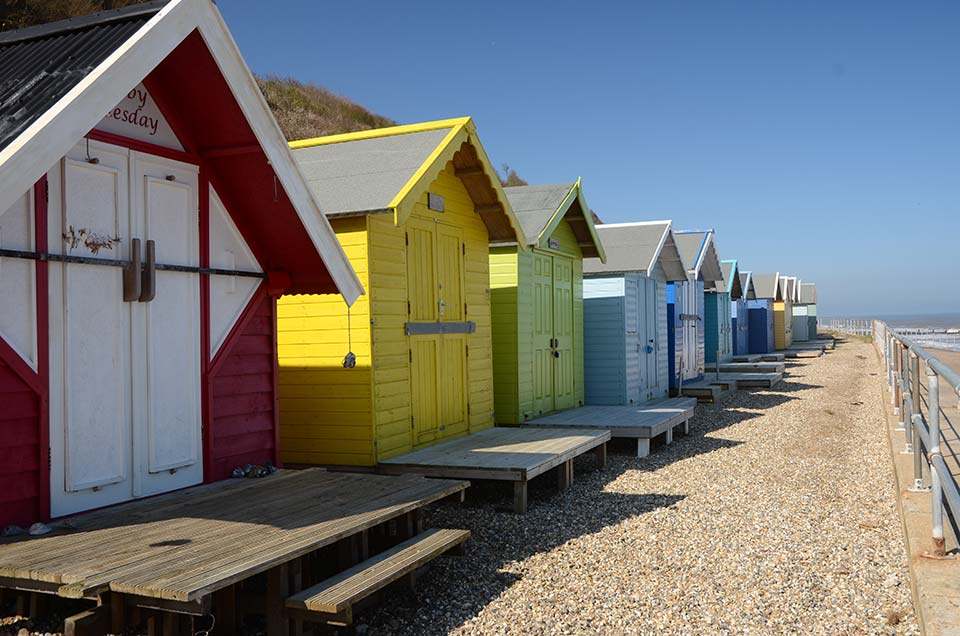
View from Overstrand, looking east
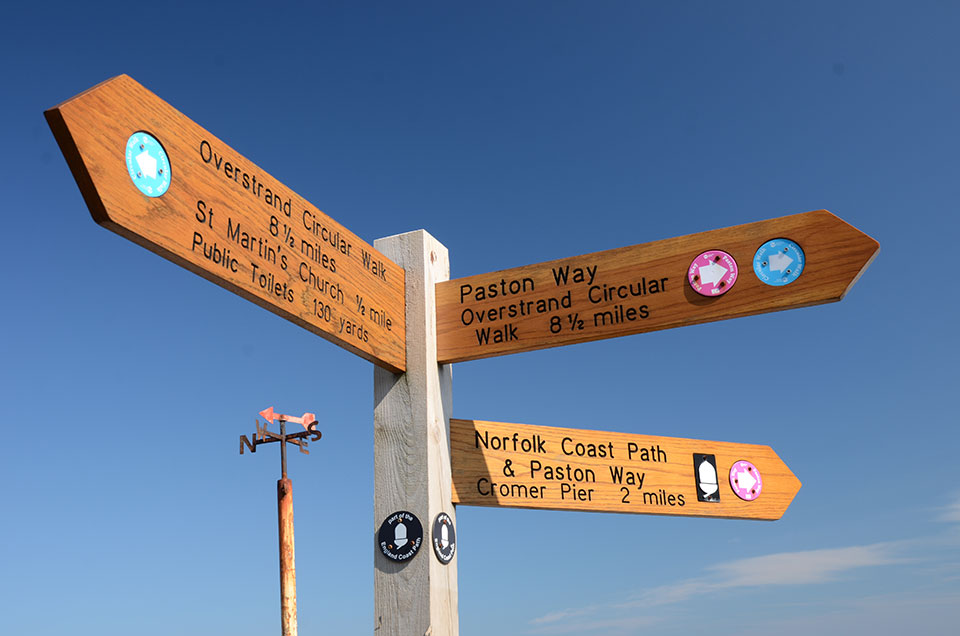
Nearby Cromer is easily reachable by foot, via an enjoyable walk on the beach or along the cliff tops. The cliff top walk uses a permissive path on the coastal edge of the Royal Cromer Golf Club, so care should be taken.
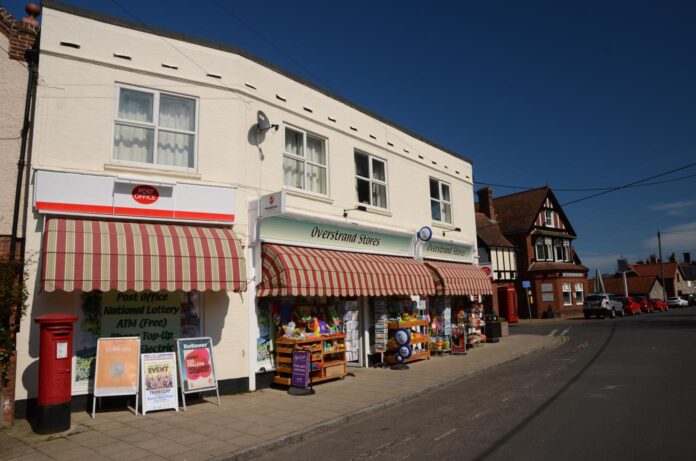
The High Street, Overstrand
Shops and facilities
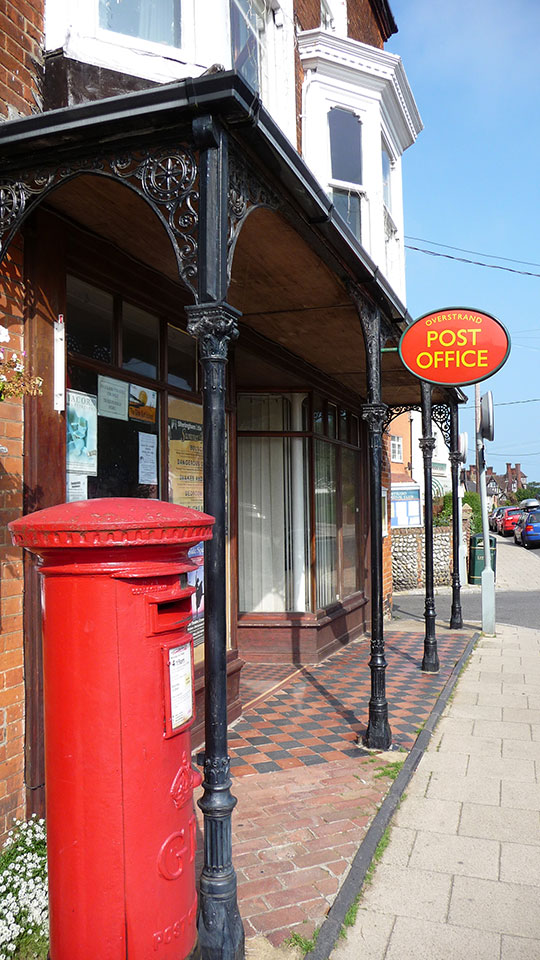
Overstrand has a small village shop and a post office.
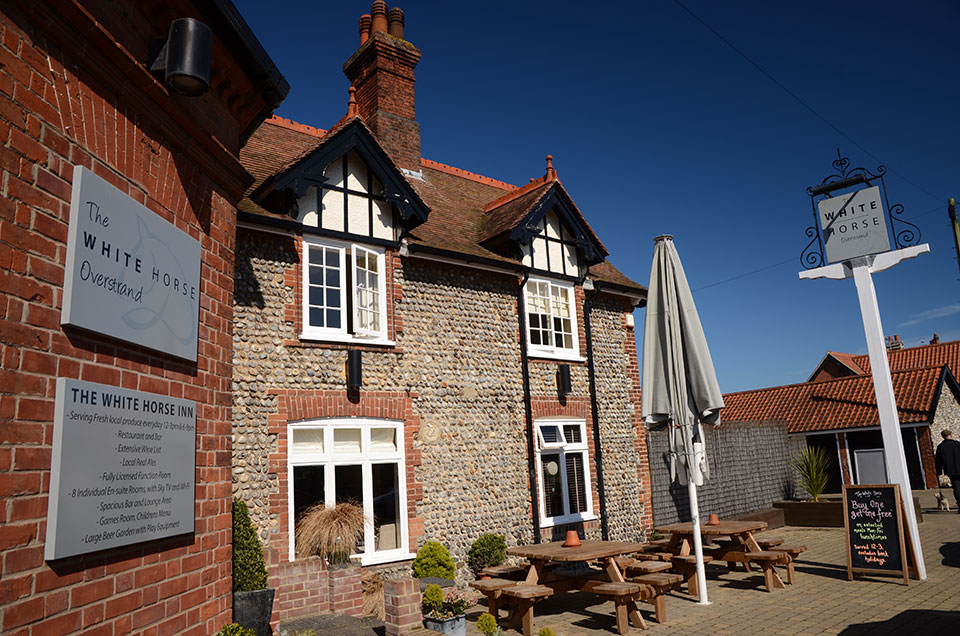
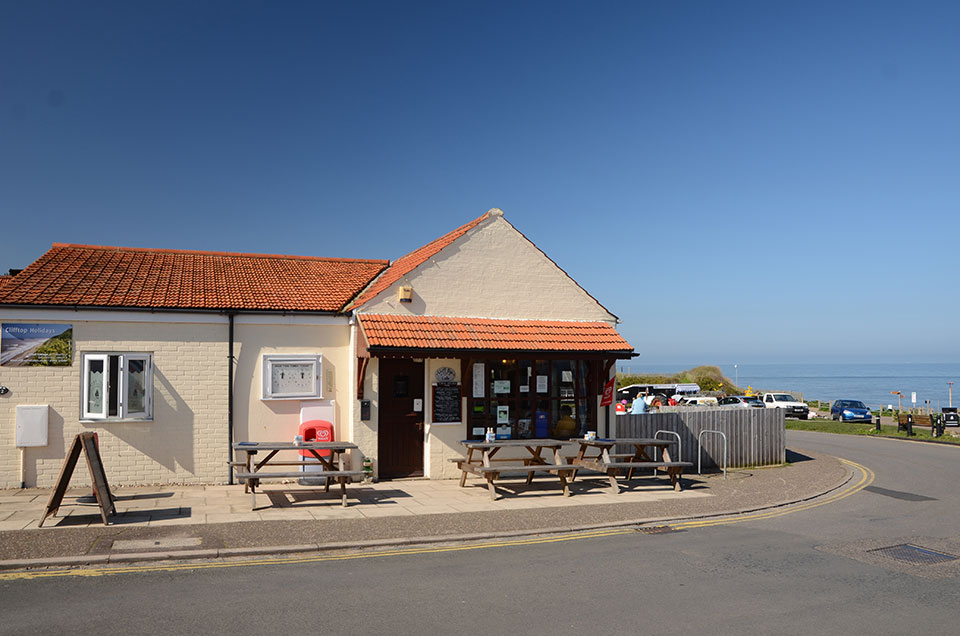
The Cliff Top Café, with great views over the sea, is an ideal spot for breakfast or lunch. The White Horse pub and restaurant is popular.
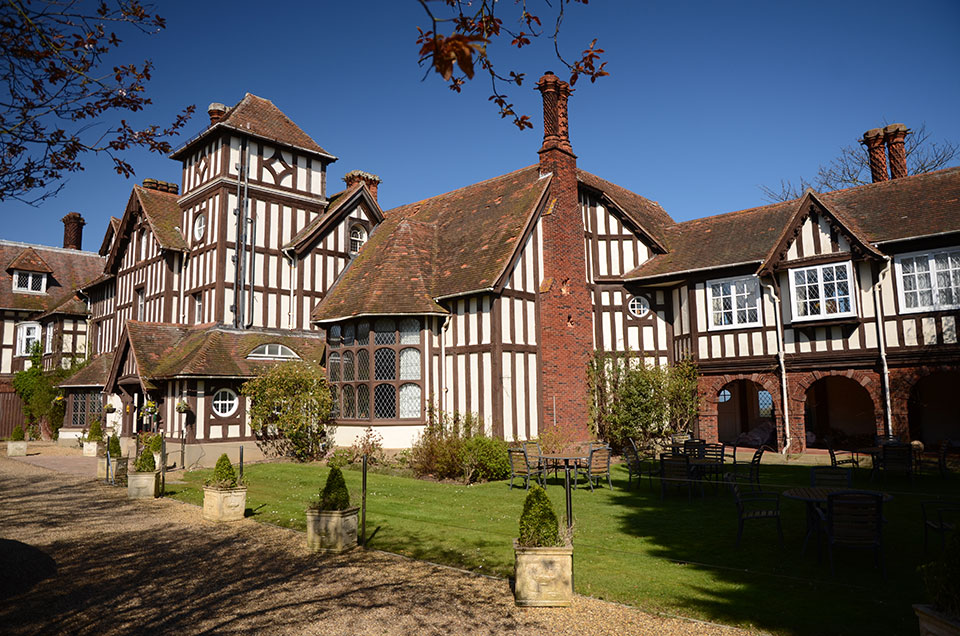
The Grade II listed Sea Marge Hotel is definitely worth a visit, where you can enjoy fine dining or enjoy afternoon tea. On warmer days, enjoy the lawned terraces overlooking the sea at the back of the hotel.
The White Horse
The Sea Marge
Transport
Overstrand is located on a good bus route that serves the villages east along the coast, you can change at nearby Cromer for buses heading west, and to Norwich. The Bittern Line railway operates from Cromer travelling west towards Sheringham or to the city Norwich via the Broads (Wroxham). Taxis from Overstrand to Cromer are reasonably priced.
History
The name ‘Overstrand’ has its roots in the old Saxon tongue (and from there, in the even older Nordic) – where ‘strand’ was the word for the part of the beach left exposed after the tide had gone out. Therefore the name ‘Overstrand’ seems to indicate that the place was ‘above the strand’ – i.e. the place overlooking the beach at low tide. Overstrand can trace its origins back to pre-Norman invasion times and has a mention in the Domesday Book of 1086.
The village is steeped in history and boasts many architectural gems, including “The Pleasaunce” former home of Lord and Lady Battersea, Overstrand Hall, former home of Baron and Lady Hillingdon, and the Methodist Church, all designed by Sir Edwin Lutyens.
Clement Scott, the legend of Poppyland and The Garden of Sleep
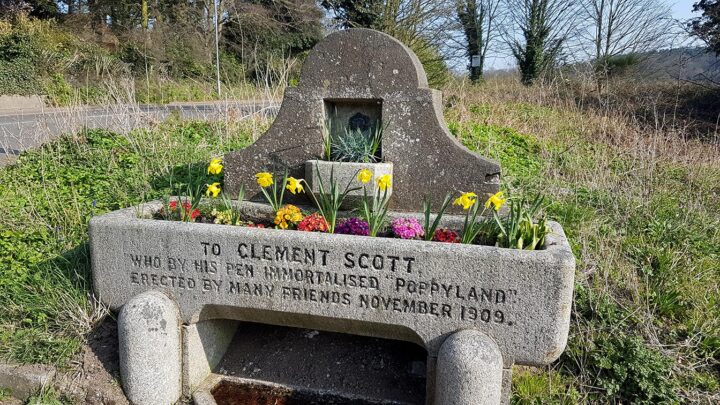
Memorial to Clement Scott near ‘Happy Valley’
Following the arrival of the Great Eastern Railway at Cromer in 1877, Clement Scott made his first visit to Cromer in 1883. From Cromer he strolled westwards along the cliff tops.
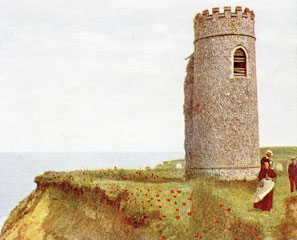
He eventually ventured slightly beyond Overstrand and discovered a tower overhanging the cliffs, surrounded with graves and poppies. On a beautiful sunny day, the scene must have been extremely picturesque and became the inspiration behind his verse, ‘A Summer Song’.
In the verse Clement refers to the tower and its surroundings as ‘The Garden of Sleep’ in his ‘Poppyland’. And so the legend of Poppyland was born.
What Scott has actually discovered was the abandoned tower of St Michael’s Church, Sidestrand (immediately east of Overstrand).
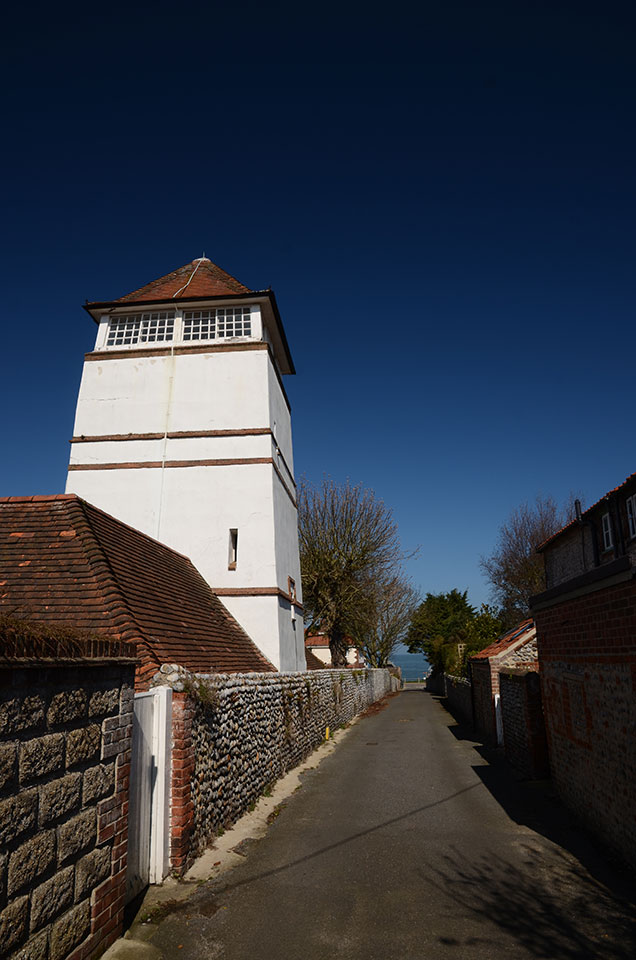
The original church nave had previously been moved inland (to its present site – see photo further below), brick by brick and a new tower had been constructed, with the old tower abandoned and left in its original position on the clifftops.
The abandoned tower became known as Craske’s Tower, named after the Overstrand bricklayer who had originally built it (following the fall of the very first tower in a storm in 1841).
Interestingly, the new tower (on the existing church) was modelled on the ‘pre-Craske’ version and so bears little resemblance to the tower we see pictured in the old photographs and postcards.
‘A Summer Song’ by Clement Scott.
On the grass of the cliff, at the edge of the steep, God planted a garden – a garden of sleep! ‘Neath the blue of the sky, in the green of the corn, It is there that the regal red poppies are born! Brief days of desire, and long dreams of delight, They are mine when my Poppyland cometh in sight. In music of distance, with eyes that are wet, It is there I remember, and there I forget! Oh! heart of my heart! where the poppies are born, I am waiting for thee, in the hush of the corn.
Sleep! Sleep! From the Cliff to the Deep! Sleep, my Poppyland, Sleep!
In my garden of sleep, where red poppies are spread, I wait for the living, along with the dead! For a tower in ruins stands guard o’er the deep, At whose feet are green graves of dear women asleep! Did they love, as I love, when they lived by the sea? Did they wait, as I wait, for the days that may be? Was it hope or fulfilling, that entered each breast, Ere death gave release, and the poppies gave rest? Oh! life of my life! on the cliffs by the sea, By the graves in the grass, I am waiting for thee!
Sleep! Sleep! In the Dews by the Deep! Sleep, my Poppyland, Sleep!
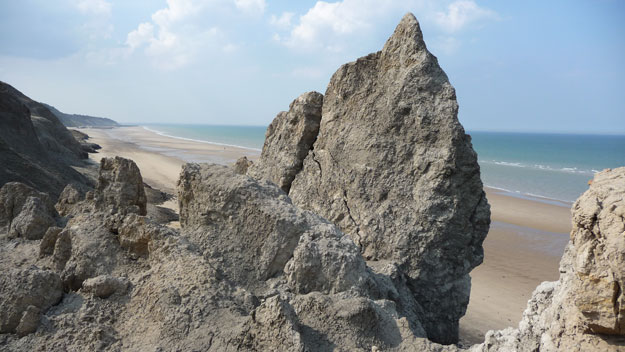
The photograph below shows the most likely location of where Clement Scott’s Poppyland lies today – on the beach, due to ongoing coastal erosion. It’s a short beach walk to this location from Overstrand promenade.
Photo taken between the groynes of Overstrand and Trimingham, with Overstrand promenade just visible in the distance.