
Cromer, the seaside capital of north Norfolk…
Cromer is a popular seaside town on the north Norfolk coast and is proudly known as ‘The Gem of the Norfolk Coast’.


The town stands high and bracing on the wind swept cliffs, with several paths that zig and zag down from the town to the sandy beaches below.
Cromer combines the charm of the ancient fishing town with the hustle and bustle of a modern seaside resort. There’s much evidence of the ancient town for those that wish to discover the maze of twisting streets close to the 14th Century Parish Church of St Peter & St Paul.
The church’s impressive 160 ft high tower is the tallest in Norfolk and dominates the town. Until 2018 it was possible to climb the 172 steps to the top of the tower where you can see for miles – west towards the ‘Runtons’ and Sheringham, east towards the lighthouse.
Cromer Peregrine Project
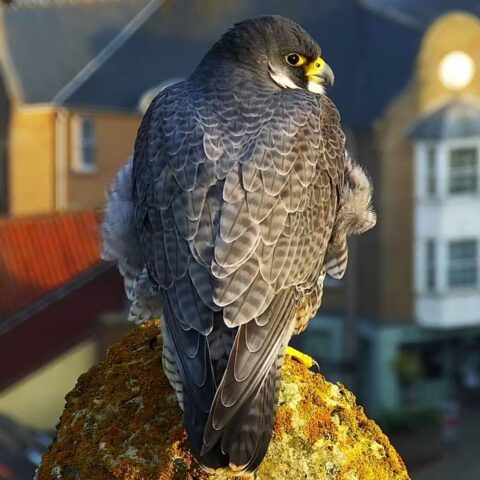
In 2018 a male peregrine falcon was spotted on the tower and a female soon joined him. Following the installation of a nesting box and the closure of the tower to the public, the nest has successfully resulted in several chicks. The peregrines have now become a significant tourist attraction in the town and the falcons can often be seen flying around the tower. If you don’t spot them, you’ll probably hear their calls! For more information, photos and a live stream video, visit the Cromer Peregrine Project website.

Fresh Cromer Crabs!
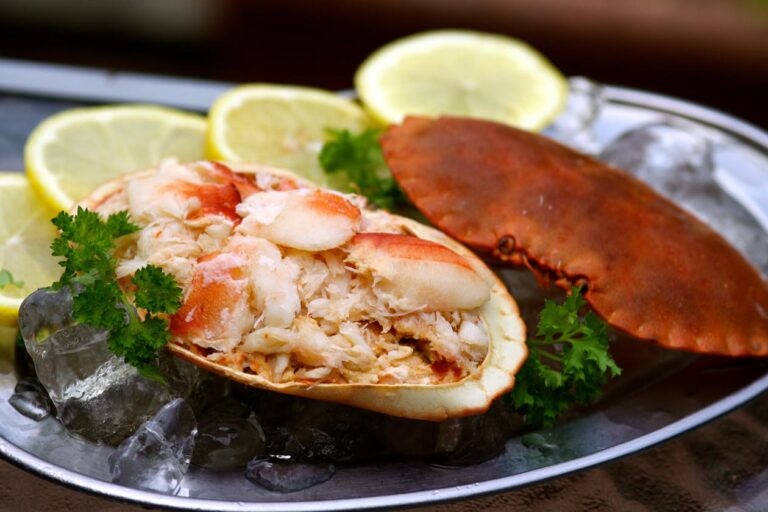
Fishing plays a large part in the life of this vibrant town. Many years ago mackerel, cod and other types of longshore catches were the mainstays of the local fishermen. But today they catch mainly lobsters and crabs.
Crabbing begins in March and continues throughout the Summer months until Autumn arrives and it becomes too dangerous to fish. Every day the fishermen bring back their catch up along the Gangway, located to the east of the pier (close to the Henry Blogg museum).
Within a short while the fresh crabs are ‘dressed’ and ready to sell. There are several shops from which to buy a fresh crab and a crab sandwich or salad is one of life’s simple culinary pleasures!

Splendid Sandy Beaches
For those that enjoy basking in the sun Cromer has splendid sandy ‘Blue Flag’ beaches. The Blue Flag is awarded only to beaches which pass strict health and hygiene standards set by the European Commission.
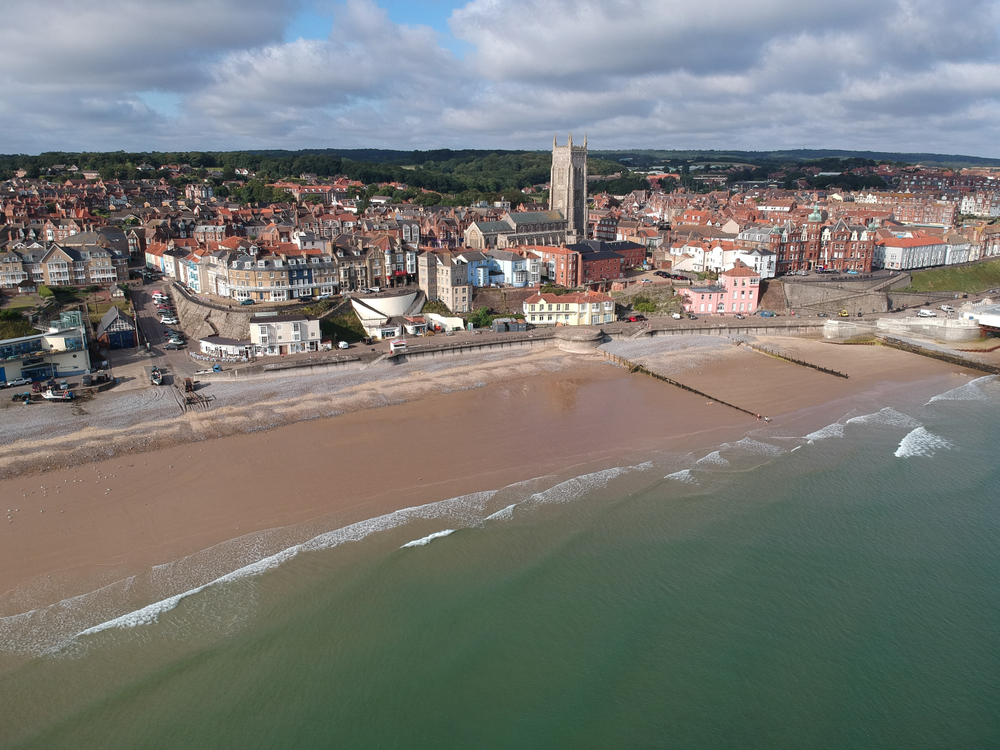
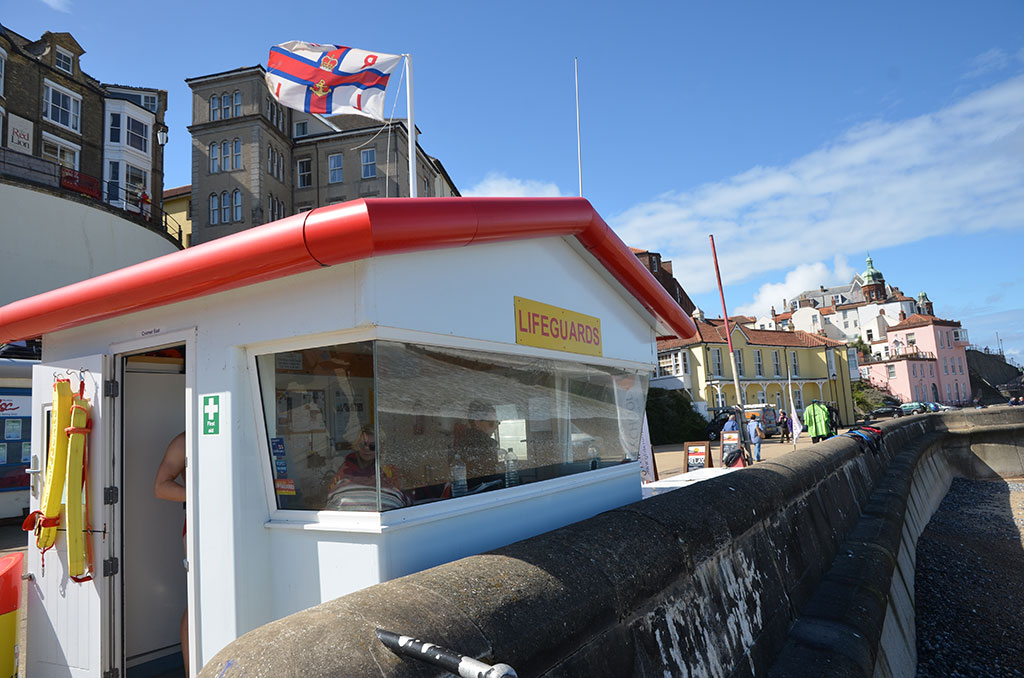
The east beach is patrolled from the middle of May to the middle of September. The west beach is patrolled from early July until early September. During peak times the beaches are patrolled by RNLI lifeguards from 10am to 6pm every day.
Cromer Pier

Cromer has an impressive pier that is 500 feet long, built by Alfred Thorne and opened in 1901. The pier was erected to replace two earlier structures that were destroyed by high seas. Cromer had several jetties but the pier that we know and love today was built almost 120 years ago.
A pavilion was constructed in 1905 and to this day, the pier looks almost the same as it did when it was first built. Vital restoration work undertaken since severe damage caused by high tides in 1949 and 1953 (and more recently the winter storms of 2007 and 2013) has helped to strengthen and fortify this impressive Victorian pier for all to enjoy.
The Pavilion Theatre is home to the Seaside Show and is the only ‘end of pier’ show in Europe. This wonderful variety show is on every day during the summer months and shows are available all year round.
Cromer Pier was named as ‘Pier of the Year 2015’ by the National Pier Society in recognition of the grit, determination and hard work of the local people of Cromer to restore the pier to its glory. This follows the most recent heavy damage to the the pier, sustained during the storms of winter 2013/2014.
The Coming of the Railways
From 1785 Cromer was visited by the first tourists to the town who flocked here for the fine sea air that breezes off the North Sea. Their positive reports soon attracted others to come and visit the town. Cromer became a popular exclusive bathing centre with a daily coach from Norwich via the market town of Aylsham. Tourism began to be of great significance to the local economy from the start of the 19th Century. It’s around this time that the very first tourist guide to Cromer was compiled and written.


In 1877 the Norwich to North Walsham railway line was extended to Cromer and as a result many more people from all different backgrounds were able to visit the town. Visitor numbers grew very quickly, thanks to the theatre critic Clement Scott who is responsible for naming the area of which Cromer is part of as ‘Poppyland’. This romantic reference helped the town to further increase visitor numbers during the end of the 19th Century.
Some of those that visited the town chose to stay and play an important part in laying down the magnificent foundations for the many grand hotels and boarding houses which were built. Sadly only a few remain today. The ‘Hotel de Paris’ was enlarged and re-fronted in 1894. The impressive Victorian promenade was built from 1895 to 1901.
The Church of St Peter & St Paul (in the heart of the town centre) was also restored during the years that Queen Victoria reigned, with the majority of the work finished by the start of the 1900’s.
Cromer Lifeboat Stations

As well as the influence of tourism (thanks to the arrival of the train line) so too did the arrival of the offshore lifeboat station. Cromer always had close links to the sea and naturally the RNLI has a long association with the town.
During the 1800’s every village and town had its own lifeboat. A lifeboat had been housed at the end of Cromer pier since 1804. The original lifeboat house was constructed in 1923 and then entirely replaced in 1999.
Having the lifeboat house positioned on the pier meant that the lifeboat could be launched swiftly in any weather conditions. As a consequence, Cromer became responsible for the coastline to the east, the Haisboro’ Sands.
Today, the lifeboat house at the end of the pier is known as the offshore lifeboat station and there’s a smaller inshore lifeboat station located at the gangway on the east promenade.
Cromer Lifeboat Station is open to visitors, and has a souvenir shop too. Additionally, the Station has volunteer guides who are happy to show visitors around the lifeboat station. The tours last approximately an hour and are free but must be pre booked by email.
The RNLI Henry Blogg Museum
There are many stories of the brave lifeboat men who made Cromer famous, far and wide. A bronze bust commemorating Cromer’s most famous lifeboatman, Henry Blogg (coxswain from 1909 to 1947) can be found on the cliff top in North Lodge Park.

With his crews of courageous men he saved 873 lives during this time, many during the Second World War. He was recognised for his bravery and awarded the George Cross, three RNLI medals and the British Empire Medal.
At the bottom of the Gangway (at the end of the east promenade) you’ll find the Henry Blogg Museum which provides information and artefacts from his days, along with interesting historical facts about the role of the RNLI and its history with Cromer.
The legendary HF Bailey lifeboat, Henry Blogg’s lifeboat from 1935-45 forms the centrepiece of the museum. It’s definitely worth a visit.
The museum was opened in 2006 by Ronnie Corbett (who started his stage career in Cromer) and offers free admission. The Rocket House Café above the museum has a fine selection of food and beverages, along with a splendid balcony overlooking the beach. A lift provides easy access to both the museum and café, avoiding the rather steep Gangway.
Cromer Museum
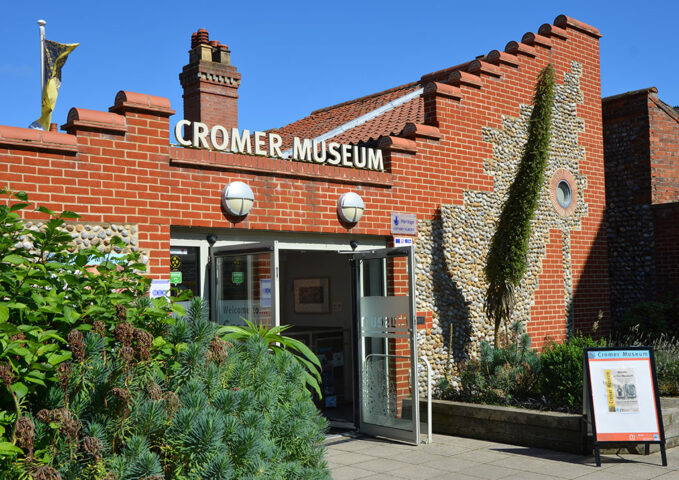
After a bracing seaside walk, why not step inside Cromer Museum. Have a look around the cosy Victorian fisherman’s cottage and imagine what it was like to live in Cromer at the end of the 19th Century.
Delve into the ‘Old Cromer’ Gallery with its displays of historic photographs and illustrations of the town. Discover Cromer’s history as a Victorian seaside resort with its fine hotels and scandal of mixed bathing. Learn about the daring rescues of Henry Blogg and the Cromer lifeboatmen.
Cromer Today
Today, Cromer is a thriving & bustling seaside town which offers something for everyone, with a huge variety of places to visit and plenty of things to do. There are lots of independent shops, art galleries, book shops, cafes and restaurants in town.
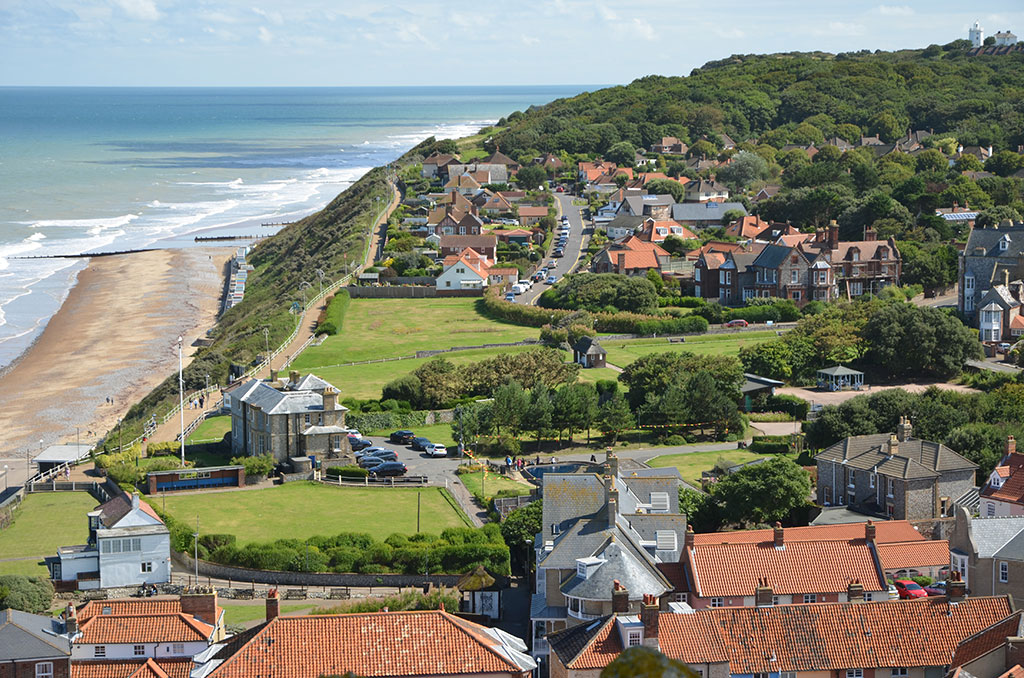
Stroll along the wide open sandy beaches which stretch for as far as the eye can see. Enjoy the coastal walks along the cliff tops. Follow the cliff top path, past the beautiful North Lodge Park, into Happy Valley and up to the Lighthouse where spectacular views can be enjoyed.

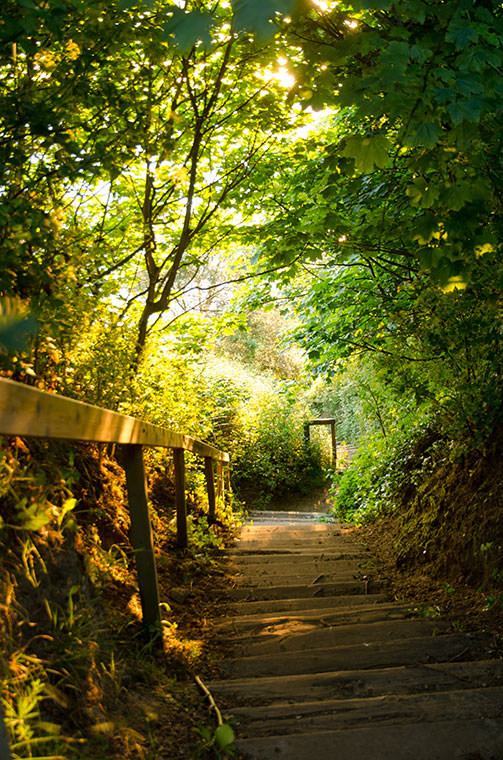
Puts you through your paces!
Cromer Carnival
Cromer Carnival is undoubtedly the main event of the summer season for the town. Preparations are made for the event all year round with almost every business supporting the carnival. The Cromer Carnival committee work tirelessly to organise lots of events during the carnival week – usually the 3rd week in August.
The highlight of the carnival is the Cromer Carnival Day (usually the Wednesday) with it’s spectacular Float Procession through the town.
This is when Cromer really comes alive with fun, live music and dancing! Additionally, in connection with the carnival, there are usually many activities for children close to the Cromer Pier for the first two weeks in August. Go to www.cromercarnival.co.uk for further details and confirmation of the carnival dates.
Other Cromer Events
There are many events that take place all year round. Highlights include the COAST arts festival that takes place in October www.casaf.co.uk, the Crab & Lobster Festival (in partnership with Sheringham) during the month of May, the Boxing Day Swim and the New Year’s Day Fireworks (a tradition that started in 2000).

Other Cromer attractions…
In town there’s the Regal Cinema, putting greens, the newly opened Skatepark. Nearby attractions include Felbrigg Hall (NT), Amazona Zoo and Wizard Maze (summer holidays only). For sports there’s the Royal Cromer Golf Club and the Cromer Lawn Tennis & Squash Association.
Useful Links
- Cromer Carnival website
- Cromer Pier (and Pavilion)
- Cromer Lifeboat Station website (RNLI)
- Cromer Museum
- Cromer Peregrine Project
- Henry Blogg (Wikipedia)
- Henry Blogg Museum (RNLI)
- RNLI Life Guard Information (Cromer East Beach)
- Andreas Yiasimi Photographer
- Cromer Regal Cinema
- The Rocket House Café
- Cromer Lawn Tennis & Squash Club
- Royal Cromer Golf Club
- Amazona Zoo
- Felbrigg Hall, Gardens and Estate – National Trust
- Wizard Maze & Play
- Cromer Skatepark (Facebook Group)
- This is Cromer (FB Community Page)
- Norfolk Gem Magazine – News from North Norfolk and across the region